


Key Takeaways
- Age limits play a major role in approvals.
When financing older commercial trucks, lenders often set maximum age thresholds at funding and loan maturity to manage depreciation risk. - Condition can outweigh age.
Well-maintained trucks with strong service records are more likely to qualify for used equipment financing than poorly maintained newer units. - Resale value is critical in lender decisions.
Because trucks serve as collateral, lenders prioritize equipment with strong market demand and predictable resale value when issuing commercial equipment loans. - Loan structures are adjusted for risk.
Financing older commercial trucks may involve shorter terms, higher down payments, or modified rates to offset increased risk. - Borrower strength still matters.
Strong cash flow, industry experience, and stable financials can significantly improve approval odds for commercial equipment loans on older trucks.
Purchasing a used or aging truck can be a practical and cost-effective decision for owner-operators, contractors, and fleet managers. Lower upfront costs and slower depreciation often make older equipment appealing. However, financing older commercial trucks comes with a different set of considerations compared to financing new assets.
Lenders evaluate risk more carefully when equipment has higher mileage, greater wear, or reduced resale value. Understanding how underwriting works for older trucks can help borrowers prepare stronger applications, set realistic expectations, and secure financing that aligns with their operational needs.
Download the eBook – Commercial Equipment Financing: What Smart Businesses Understand
Why Older Trucks Are Evaluated Differently
When financing older commercial trucks, lenders are not just assessing the borrower, they are also evaluating the long-term reliability and value of the asset itself. Unlike new equipment, older trucks carry increased risks related to maintenance and depreciation. As a Forbes Advisor notes, equipment financing is typically easier to qualify for… because the equipment itself serves as collateral, which is why lenders focus heavily on asset condition and value when financing older commercial trucks.
Because commercial equipment loans are typically asset-based, the condition and projected value of the equipment play a central role in lender decision-making.
Age Limits and Equipment Eligibility
One of the first factors lenders consider when financing older commercial trucks is the truck’s age at the time of funding and at the end of the loan term.
While guidelines vary, many lenders follow general parameters such as:
- Maximum age at funding (often 8–15 years, depending on the lender)
- Maximum age at loan maturity (commonly capped around 10–20 years total)
Trucks that exceed these thresholds may still qualify under used equipment financing programs, but they often require stronger compensating factors, such as higher down payments or shorter loan terms.
Age limits are not arbitrary, they reflect the increased likelihood of mechanical issues and declining resale value over time.
Condition and Maintenance History
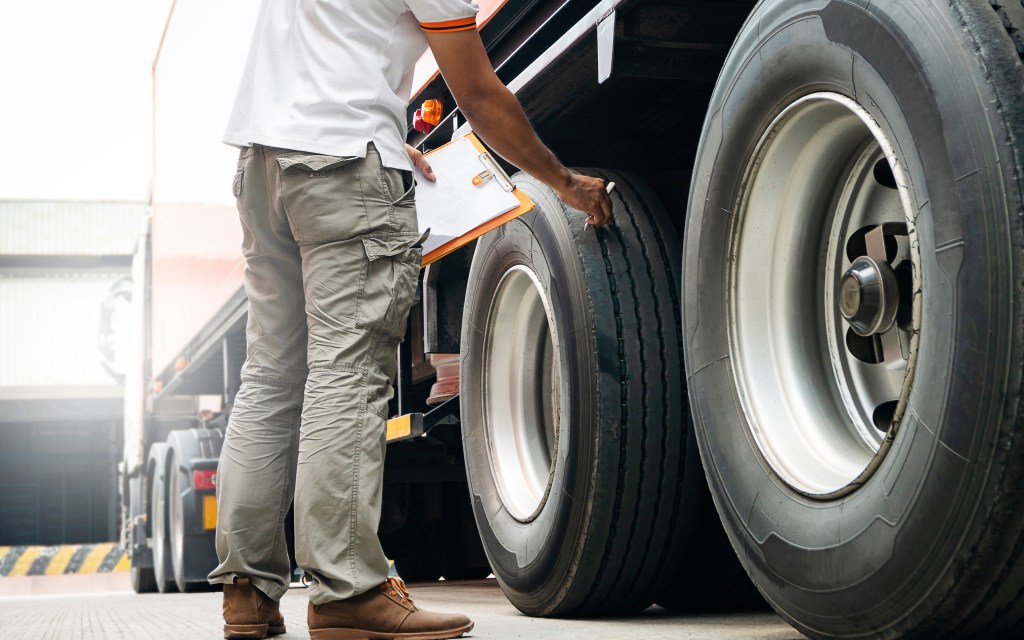
Condition is often just as important as age when evaluating financing for older commercial trucks. A well-maintained 10-year-old truck may be more financeable than a poorly maintained newer one.
Lenders may review:
- Maintenance records
- Mileage
- Inspection reports
- Overall operational condition
In some cases, lenders may require third-party inspections before approving commercial equipment loans for older assets. This helps confirm that the truck is roadworthy and capable of generating income throughout the loan term.
For borrowers, providing maintenance documentation upfront can significantly strengthen an application and reduce underwriting concerns.
Resale Value and Market Demand
Resale value is a critical factor in financing older commercial trucks. Since the truck serves as collateral, lenders must be confident that it retains enough market value to offset potential losses if the borrower defaults. Because the truck serves as collateral, lenders must evaluate how long the asset will retain value. As the U.S. Chamber of Commerce explains, “You usually pay equipment loans over the estimated lifespan of the equipment you’re financing, and the equipment serves as collateral” This means that if you fail to make your payments, the lender can claim ownership of that equipment. This is why resale value plays such a central role in financing older commercial trucks.
Factors that influence resale value include:
- Brand and manufacturer reputation
- Engine type and configuration
- Transmission type and configuration
- Mileage and usage history
- Market demand for similar equipment
Certain truck types, such as well-known Class 8 models, tend to hold value better than niche or highly specialized equipment. This is why used equipment financing approvals often depend on whether the truck has an active resale market.
Why Preparation Matters More Than Speed
Lenders also evaluate how the truck will be used. Industry risk plays a significant role in financing older commercial trucks, particularly in sectors like construction, long-haul trucking, and oilfield services.
Key considerations include:
- Type of work the truck will perform
- Expected wear and tear
- Revenue stability within the industry
- Seasonal or cyclical demand
For example, trucks used in heavy construction may face greater wear and tear, which can impact long-term reliability. In contrast, trucks used in consistent freight operations may be viewed as lower risk.
Because of this, lenders offering commercial equipment loans often assess both the asset and the business model behind it.
Loan Structure Adjustments for Older Equipment
To manage risk, lenders frequently adjust loan structures when financing older commercial trucks. These adjustments are designed to balance affordability with asset depreciation.
Common structural differences include:
- Shorter loan terms: Reducing exposure to long-term depreciation
- Higher down payments: Lowering loan-to-value ratios
- Adjusted interest rates: Reflecting increased risk
- Additional documentation requirements: Supporting asset condition and value
Borrowers pursuing used equipment financing should expect these differences and plan accordingly. While terms may be slightly more conservative than those for new equipment, financing is still widely available for older trucks that meet lender criteria. An article by Sofi notes that, “Often business loan terms are linked to the expected lifespan of the equipment; could be a few months or many years,” which explains why financing older commercial trucks typically involves shorter repayment periods.
The Role of Borrower Strength
While the truck itself is important, borrower strength remains a key factor in financing older commercial trucks. Lenders evaluate the business’s ability to generate consistent revenue and manage debt responsibly.
Important borrower factors include:
- Cash flow and bank statement history
- Industry experience
- Credit profile
- Time in business
Strong borrowers can often secure approvals even when equipment falls outside standard guidelines. In contrast, weaker financial profiles may require additional compensating factors.
This balance between borrower and asset risk is central to how commercial equipment loans are structured.
When Older Trucks Still Make Sense
Despite stricter evaluation criteria, financing older commercial trucks can be a strategic decision for many businesses. Lower purchase prices reduce overall capital requirements, and in some cases, the return on investment can be achieved more quickly than with new equipment. SelecTrucks notes that insurance premiums for older commercial trucks are generally lower because the replacement cost is lower, which will help to lower your secondary costs. This reduction in fixed monthly overhead can offset the slightly higher interest rates often associated with older equipment.
Older trucks may be particularly attractive when:
- Budget constraints limit new equipment purchases
- The truck is intended for short-term or specialized use
- Maintenance history is strong and well-documented
- The business has experience operating similar equipment
Older units can also play a strategic role within larger fleet replacement and expansion plans when acquisition costs must be balanced against capital availability. With the right combination of asset quality and borrower strength, used equipment financing remains a practical and accessible option.
What Borrowers Should Take Away
Lenders evaluating financing older commercial trucks are focused on one key question: will the asset and borrower together support reliable repayment over time? For first-time truck buyers, understanding these lender expectations before shopping for equipment can help prevent unnecessary surprises during the financing process.
To improve approval outcomes, borrowers should focus on:
- Selecting equipment with strong resale value
- Providing detailed maintenance and condition records
- Preparing for adjusted loan structures
- Demonstrating consistent cash flow and operational stability
While older trucks require more scrutiny, they are far from unfinanceable. With proper preparation and realistic expectations, businesses across trucking, construction, and specialized industries can successfully secure commercial equipment loans for used equipment.
Balancing Cost Savings With Risk
Financing older commercial trucks is ultimately about balance. Lower acquisition costs can create meaningful financial advantages, but lenders must weigh those benefits against increased risk tied to age, condition, and market value.
For borrowers who understand these criteria and prepare accordingly, financing older equipment can be both achievable and strategically sound, providing access to the tools needed to keep operations moving without overextending capital.
Ultimately, financing decisions should be evaluated within a broader commercial equipment financing strategy that considers asset life, cash flow, risk management, and long-term growth objectives.
FAQ
1. What is the maximum age for financing older commercial trucks?
Most lenders prefer trucks that are no more than 8–15 years old at the time of funding, though some used equipment financing programs may allow older equipment with stronger qualifications.
2. Can I get approved if the truck has high mileage?
Yes, but mileage is evaluated alongside condition and maintenance history. Well-maintained trucks with higher mileage may still qualify for financing.
3. Do older trucks require a larger down payment?
Often, yes. Lenders may require higher down payments when financing older commercial trucks to reduce loan-to-value risk.
4. Are interest rates higher for older truck financing?
In some cases. Because older equipment carries more risk, commercial equipment loans may include slightly higher rates or shorter terms.
5. What helps improve approval chances for used equipment financing?
Providing maintenance records, choosing equipment with strong resale value, and demonstrating consistent cash flow can all improve approval outcomes.